Summary
A major new study has pushed one of science’s most intriguing origin-of-life theories further into the spotlight. Researchers in Japan have confirmed that samples brought back from the asteroid Ryugu contain the full set of canonical nucleobases found in DNA and RNA — adenine, guanine, cytosine, thymine and uracil. The finding does not mean life once existed on the asteroid, but it does reinforce the idea that some of the molecular ingredients necessary for life may have formed in space and later reached Earth on primitive asteroids.
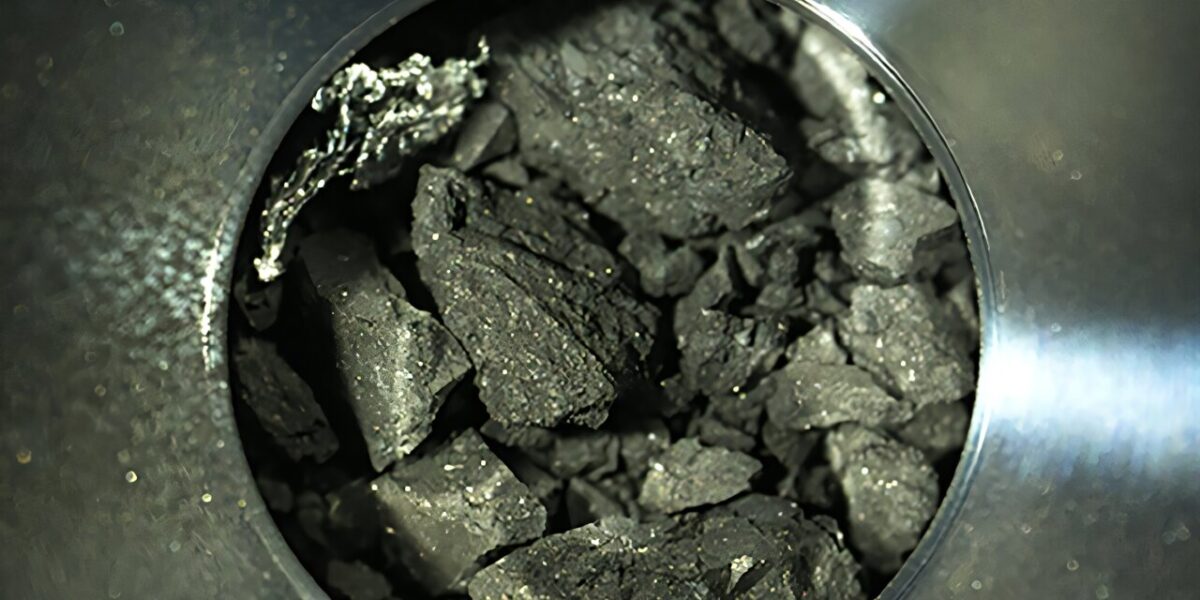
The research was published in Nature Astronomy on March 16, 2026, by a team led by Toshiki Koga and colleagues. In the paper, the scientists reported that all five canonical nucleobases were detected in material returned from the C-type asteroid (162173) Ryugu by JAXA’s Hayabusa2 mission. The study also concluded that the discovery strengthens the hypothesis that carbonaceous asteroids contributed to the prebiotic chemical inventory of early Earth.
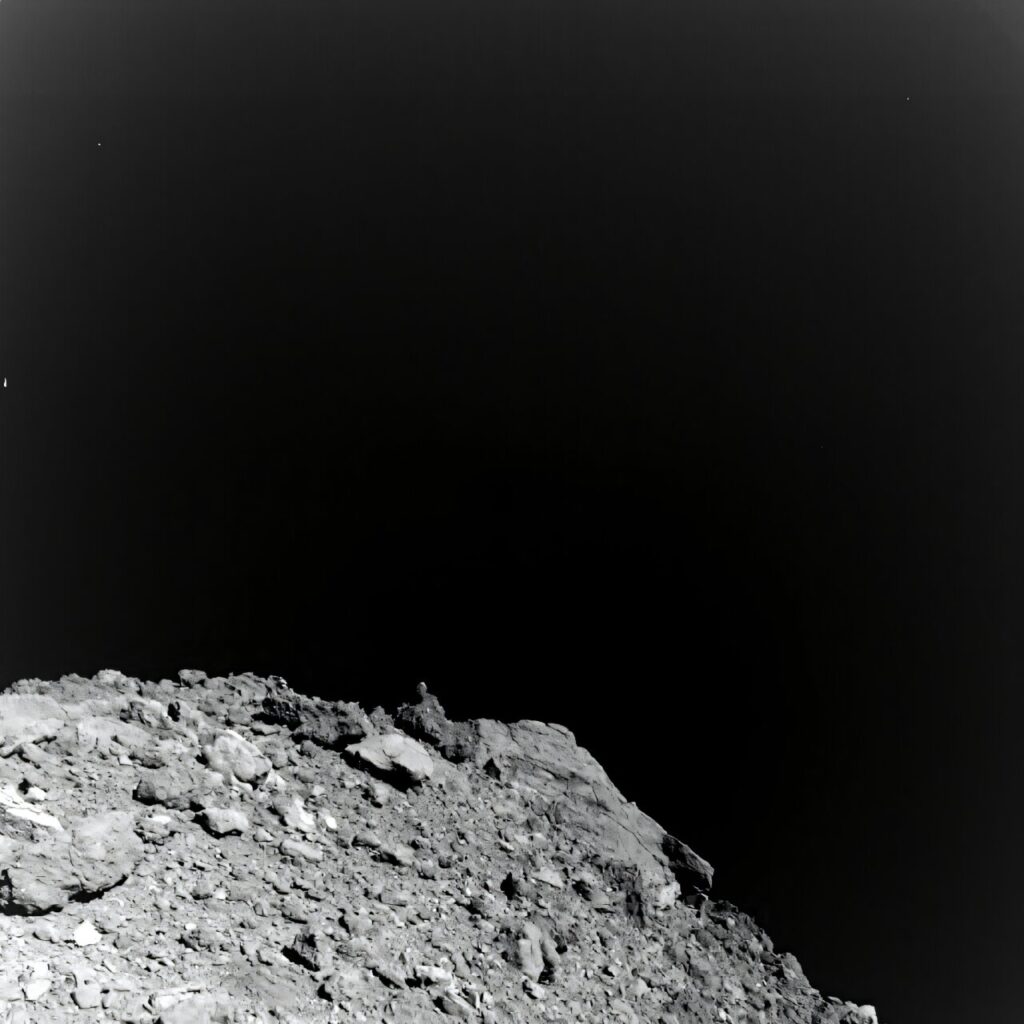
Ryugu is the kind of object astrobiologists watch closely because it is a carbonaceous asteroid, meaning it contains organic matter and water-bearing minerals and is thought to preserve material dating back to the early solar system. Hayabusa2 launched in 2014, traveled roughly 300 million kilometers, reached Ryugu, collected samples, and returned them to Earth in 2020. Those pristine samples have since become one of the most important windows into the chemistry of the early solar system.
What makes this new result so significant is that it goes beyond earlier Ryugu work. A previous study had already identified uracil in Ryugu samples, but the new paper reports the full set of nucleobases associated with terrestrial DNA and RNA. According to the study, the researchers extracted organic compounds from Ryugu grains and found direct evidence of adenine, guanine, cytosine, thymine and uracil in the returned material.
That does not mean Ryugu hosted living organisms. The study’s point is narrower and, in scientific terms, still profound: primitive asteroids appear able to produce and preserve molecules that matter to prebiotic chemistry. In other words, the ingredients tied to life’s chemistry do not appear to be unique to Earth. The study says the broad detection of nucleobases in asteroid and meteorite materials demonstrates their widespread presence across the solar system.
Why the Ryugu discovery matters
DNA and RNA are central to life on Earth. DNA stores genetic information, while RNA helps carry and implement those instructions inside cells. Their nucleobases are among the most fundamental molecular components in biology. Finding all five of those bases in pristine extraterrestrial material matters because it strengthens the case that key prebiotic compounds could form without biology and then be delivered to planets by impacts.
That idea has long been part of origin-of-life research. One longstanding hypothesis argues that asteroids and meteorites crashing into the young Earth may have supplied some of the organic chemistry needed before life emerged. The new Ryugu result does not prove that life began in space, but it does support a broader picture in which the early Earth may have inherited part of its chemical toolkit from the solar system around it.
The new paper also fits into a growing pattern. Scientists had previously reported nucleobases and other organic molecules in meteorites such as Murchison and Orgueil, and more recently in samples from the asteroid Bennu returned by NASA’s OSIRIS-REx mission. The Ryugu result is especially important because it comes from carefully collected returned samples, which sharply reduces the contamination concerns that can complicate studies of meteorites that landed on Earth.
Ryugu and Bennu now point in the same direction
One reason the Japanese team sees this discovery as especially meaningful is that Ryugu and Bennu are both carbonaceous asteroids. JAMSTEC said the confirmed presence of all five nucleobases in samples from both objects suggests that the fundamental components of genetic material were likely produced broadly during the formation of the solar system. That does not mean every asteroid contains the same chemistry in the same amounts, but it does suggest these molecules may be far more universal than once thought.
Don't miss anything!
Join our community:

The Nature Astronomy paper also found that Ryugu samples contain nearly equal amounts of purines and pyrimidines, while other extraterrestrial materials show different balances. In the study’s comparison, Murchison was enriched in purines, while Bennu and Orgueil were richer in pyrimidines. That variation matters because it hints that similar ingredients may form under different parent-body histories and chemical environments.
A new clue involving ammonia
One of the study’s most interesting findings involves ammonia. The researchers reported that in Ryugu, Bennu and Orgueil, the ratio of purines to pyrimidines showed a negative correlation with ammonia abundance. According to the paper and JAMSTEC’s summary, that relationship may point to a previously unrecognized pathway for how nucleobases formed in early solar system materials.
That part of the result matters because it moves the research beyond simple detection. It is one thing to say that important organic compounds exist in asteroid material. It is another to begin tracing the chemical conditions and formation pathways that shaped them. If that ammonia-linked pattern holds up in future work, it could help scientists better reconstruct how primitive asteroids processed organic matter long before planets like Earth became habitable.
What the study does not say
The new Ryugu paper has obvious headline power, but its scientific meaning needs to be stated carefully. The finding does not show that life existed on Ryugu. It also does not prove that life originated in space. What it shows is that important prebiotic molecules can exist in uncontaminated asteroid material, and that such materials may have helped stock early Earth with compounds relevant to the later emergence of biology.
That distinction is crucial. The study supports a wider chemical story for the origin of life, not a complete answer to how life began. Even so, it is a significant advance because it connects the chemistry of primitive asteroids more directly to the chemistry that life depends on today.
Publication details
The study was published as “A complete set of canonical nucleobases in the carbonaceous asteroid (162173) Ryugu” in Nature Astronomy on March 16, 2026. The DOI is 10.1038/s41550-026-02791-z.
More in Science