Summary
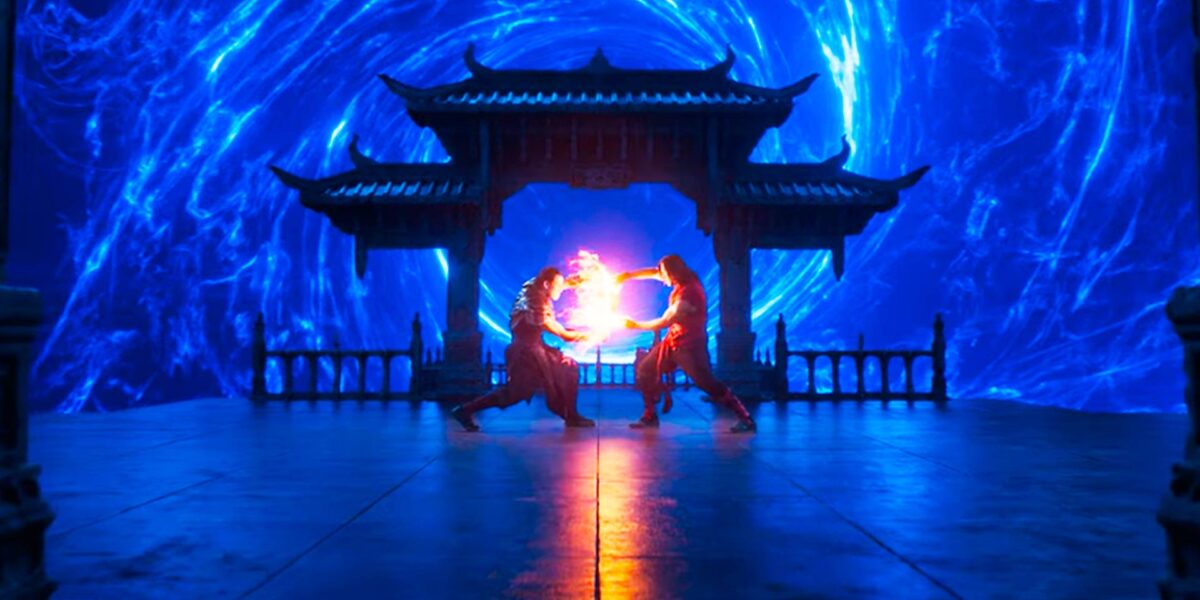
The new Mortal Kombat II trailer wastes very little time before showing what this chapter wants to be. The footage is packed with heavier combat imagery, brutal finishing blows and a broader sense of scale, all of which suggest the sequel is aiming to feel more like a full-throttle tournament film than a setup chapter. That is the clearest tonal message in the preview: this movie is not trying to soften the franchise’s identity. It is leaning into it.
That shift matters because one of the biggest criticisms of the 2021 film was that it often felt like a prologue to a much bigger story. This time, the material being shown publicly points toward a movie that is far more comfortable with the violent spectacle, mythic scale and unapologetically exaggerated tone that have defined Mortal Kombat for decades. That is partly an inference from the trailer itself, but it is also consistent with how the sequel has been described in official and trade coverage.
Don't miss anything!
Join our community:

Johnny Cage changes the energy
If the trailer has one unmistakable difference-maker, it is Johnny Cage. Played by Karl Urban, the character arrives with the exact mix of swagger, sarcasm and self-awareness fans would expect, and his presence gives the footage a livelier rhythm. The humor is still acidic and controlled, not broad enough to collapse the darker tone, but it is enough to keep the movie from becoming oppressively grim.
That balance may end up being one of the sequel’s biggest strengths. Mortal Kombat has always lived in a space where absurdity and brutality are forced to coexist, and Johnny Cage is one of the franchise’s most reliable ways of making that contrast work. The trailer strongly suggests the film understands that, using Urban not just as a fan-service addition, but as a tonal pivot inside a story built around death matches, political threat and escalating violence.
Earthrealm vs. Outworld takes center stage
The larger narrative also appears more focused this time. According to the film’s official premise, Earthrealm’s champions, now joined by Johnny Cage, are forced into battle as they try to resist the rule of Shao Kahn, whose rise threatens the survival of Earthrealm and its defenders. That gives the sequel a cleaner and more urgent hook than a film built only around isolated fights or character introductions.
In practical terms, that means the war between realms no longer feels like background mythology. It feels like the movie’s main event. And that is a significant step for the franchise on film, because Mortal Kombat works best when its violence is tied to a conflict that feels larger than individual revenge arcs. The trailer’s imagery, the official premise and early promotional framing all point in the same direction: this chapter wants to make the stakes feel existential.
Returning cast and new fighters widen the scope
The sequel keeps several major players from the first movie, including Hiroyuki Sanada, Ludi Lin, Jessica McNamee, Josh Lawson, Mehcad Brooks, Lewis Tan, Chin Han and Tadanobu Asano, while also bringing in Karl Urban, Adeline Rudolph, Tati Gabrielle, Martyn Ford and Desmond Chiam as part of the expanded ensemble. Together, that cast list signals a sequel reaching much deeper into the game series’ bench of fighters, rulers and rivals.
The most telling addition may be Martyn Ford as Shao Kahn, because his presence confirms that the sequel is not treating Outworld’s threat as something to tease indefinitely. It is putting one of the franchise’s defining villains front and center. The additions of Adeline Rudolph as Kitana and Tati Gabrielle as Jade reinforce that same strategy, widening the film’s access to the series’ royal politics, alliances and internal rivalries.
Simon McQuoid returns with Jeremy Slater on script
Behind the camera, Mortal Kombat II continues with Simon McQuoid directing, while Jeremy Slater is credited as the screenwriter. That continuity matters because sequels like this often struggle when they try to expand lore and scale without preserving any structural consistency from the film before. Here, Warner Bros. appears to be betting on continuity while pushing the sequel toward a more overtly crowd-pleasing version of the property.
The producing side also remains tied to New Line Cinema, Atomic Monster, Broken Road Productions and Fireside Films, which reinforces the sense that this is not being treated as a side project or a modest genre follow-up. It is being positioned as a substantial studio release with franchise ambitions beyond a single sequel.
Release date and what comes next
For U.S. audiences, the most important date is May 8, 2026. Warner Bros. lists Mortal Kombat II as opening only in theaters that day, while the official trailer indicates it will also play in IMAX across North America. International rollout begins earlier in several markets, but the domestic launch is set for May 8.
Based on the trailer, the film is being sold less as a cautious continuation and more as the installment that finally commits to what audiences expect from this property: familiar fighters, realm-scale consequences, nastier combat and a tone unafraid of being pulpy, gory and a little ridiculous in the best possible way. Whether that translates into the strongest Mortal Kombat movie yet will depend on execution, but the trailer at least makes one thing clear: Warner Bros. is no longer hiding the fatality button.