Summary
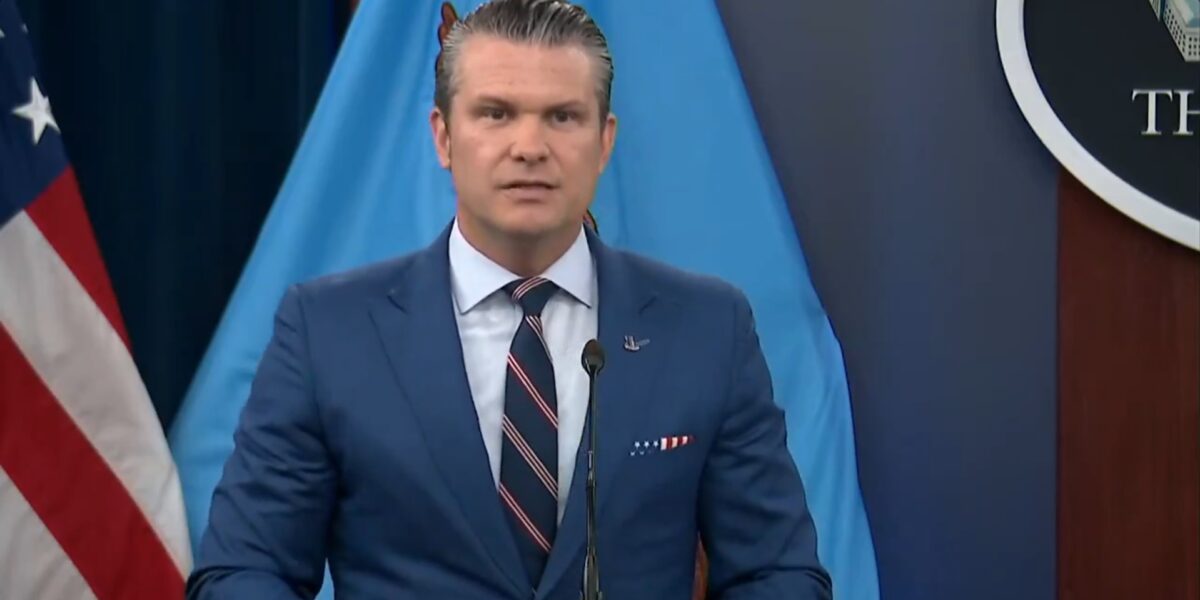
U.S. Defense Secretary Pete Hegseth said Tuesday would mark the “most intense day” of American strikes inside Iran since the war began, describing a surge in aircraft, bombers and sorties as Washington and Israel press a campaign aimed at degrading Iran’s missile forces, drone program and military infrastructure.
Speaking alongside Gen. Dan Caine, the chairman of the Joint Chiefs of Staff, Hegseth framed the operation as a contained, outcome-driven fight under President Donald Trump’s control, arguing it is not an open-ended occupation.

At the Pentagon briefing, Hegseth said Tuesday’s operations would be the largest wave yet. Caine said U.S. forces have struck more than 5,000 targets since the start of the war and claimed the combined U.S.-Israeli campaign has driven a 90% reduction in Iran’s missile launches against Israel and U.S.-aligned partners in the Gulf.
Caine laid out three objectives U.S. commanders are prioritizing:
- continuing the destruction of missile and drone capacity;
- striking the Iranian navy;
- targeting Iran’s military and industrial base.
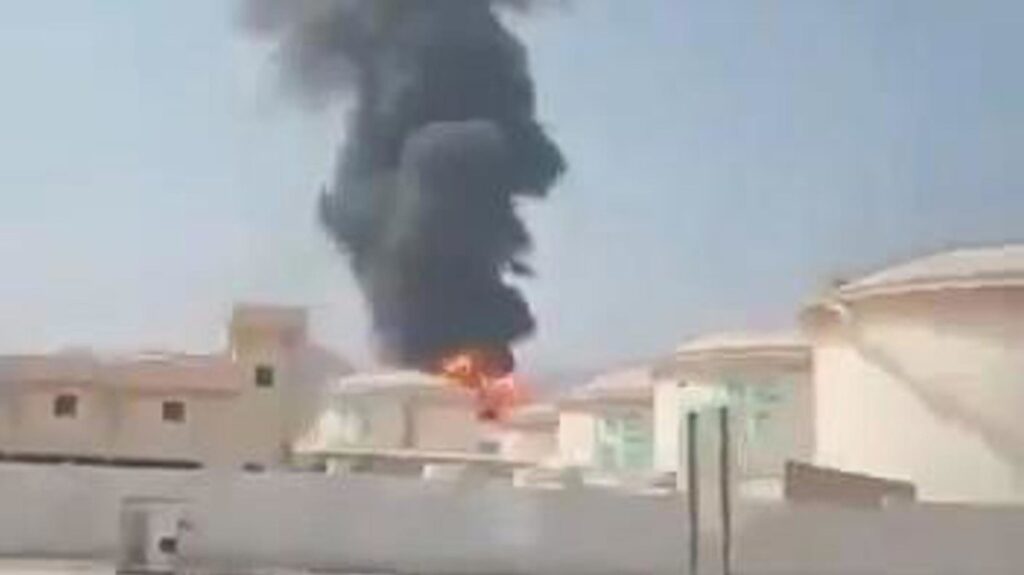
Even as U.S. officials describe accelerating gains, the conflict’s footprint continues to expand. Iran launched new attacks at Gulf Arab countries on Tuesday, while Israeli strikes also hit parts of Lebanon, widening fears in Washington that the U.S. could be pulled deeper into a long conflict with unpredictable escalation points.
Hegseth tried to pre-empt comparisons to Iraq-era wars, saying the campaign is not “endless nation-building” and insisting the administration’s generation “understands this fight,” while repeatedly casting the Iranian regime as a long-running threat through proxies and missile programs.
The war has also coincided with a major political rupture inside Iran. Iran has named Mojtaba Khamenei as the country’s new supreme leader after the death of his father, Ayatollah Ali Khamenei, according to reporting cited by U.S. and international outlets. Hegseth declined to comment when asked about reports that Mojtaba Khamenei may have been wounded.
Trump, in comments to U.S. media, said he was not pleased with the succession outcome and suggested the new leader would not “live in peace,” a line that adds another layer of volatility to an already unstable endgame.
Washington’s messaging is visibly split. Trump told U.S. television he believes the war is “very complete, pretty much,” saying there is “nothing left in a military sense.” Yet the Defense Department has simultaneously amplified a far more combative message, including social posts implying the fight is only beginning, and Hegseth has publicly described “unconditional surrender” as the standard — meaning the U.S. sets the terms and will keep pressing until Iran is unable to fight.
From Tehran, Iran’s foreign minister Abbas Araghchi has rejected that framing, saying Iran is prepared to continue missile attacks “as long as needed and as long as it takes.”
The war is now rippling directly through global energy markets. Trump has floated the possibility of U.S. control over the Strait of Hormuz if Iran moves to block it — a chokepoint through which roughly one-fifth of the world’s oil supply typically flows. On Monday, crude prices swung sharply amid fears of supply disruption, briefly spiking to around $119 per barrel, the highest levels since 2022, before retreating the next day as markets reacted to shifting signals about de-escalation.
Caine said seven American service members have been killed since the war began and paid tribute to the fallen during the Pentagon briefing.