
Summary
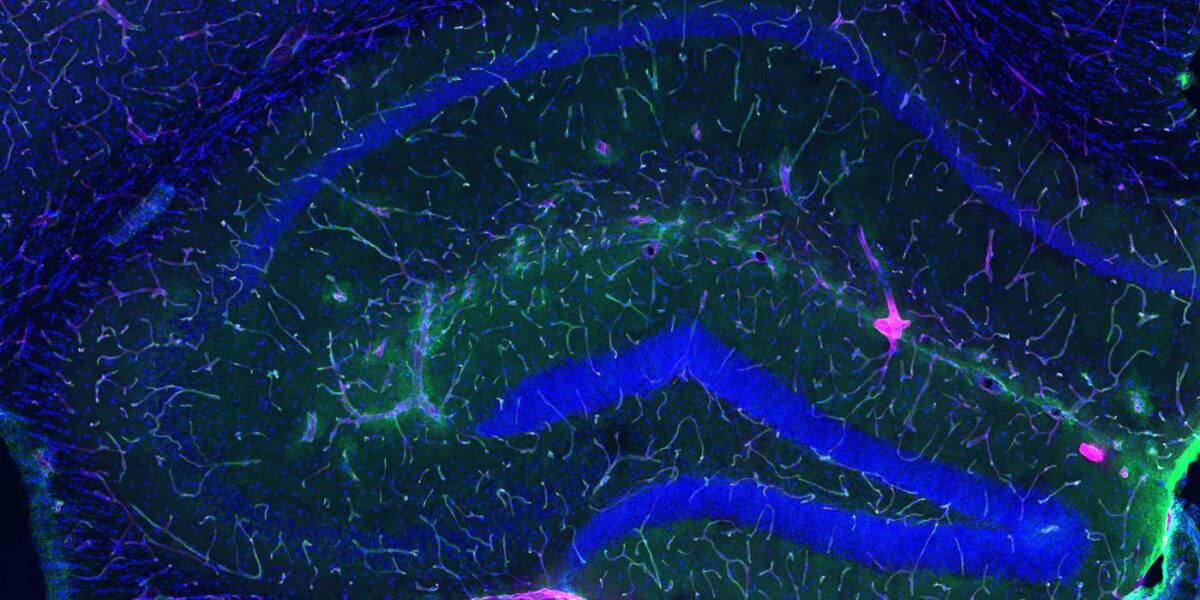
A team at UC San Francisco (UCSF) says it has identified a biological chain reaction that helps explain why exercise is so consistently linked to sharper thinking and better memory with age—and it starts outside the brain. The study describes how physical activity can strengthen the blood-brain barrier, the tightly regulated network of vessels that normally blocks harmful compounds from entering brain tissue.
As the body gets older, this barrier can become more permeable, allowing unwanted substances to seep into the brain. That leakiness can drive inflammation, a process frequently associated with cognitive decline and seen in conditions such as Alzheimer’s disease.

The missing link: a liver enzyme that can’t enter the brain—yet still helps it
Six years ago, the UCSF group identified an enzyme called GPLD1 that mice produced in their livers when they exercised. The discovery raised a major puzzle: GPLD1 can’t cross into the brain, so how could it be tied to brain rejuvenation?
The new research, published in Cell on Feb. 18, proposes an answer: GPLD1 acts on the blood vessels around the brain, not on neurons directly. According to the study’s mechanism, exercise prompts the liver to release GPLD1 into the bloodstream, where it reaches the vasculature that supports the brain and helps restore the barrier’s integrity.
“This discovery shows just how relevant the body is for understanding how the brain declines with age,” said Saul Villeda, PhD, associate director of the UCSF Bakar Aging Research Institute and the study’s senior author.
TNAP: the protein that builds up with age and weakens the barrier
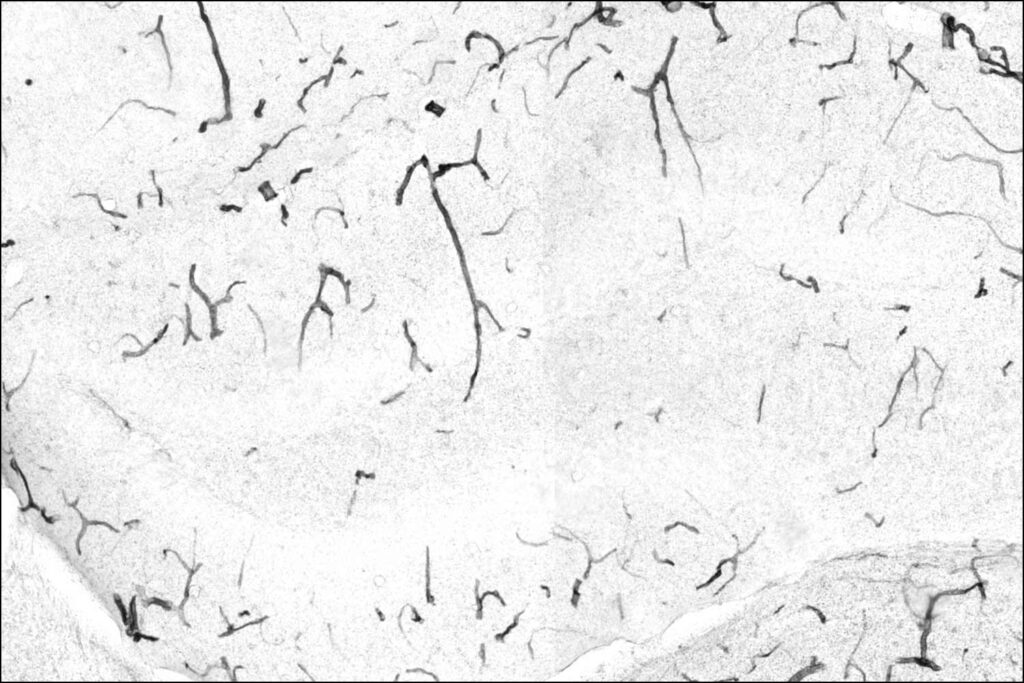
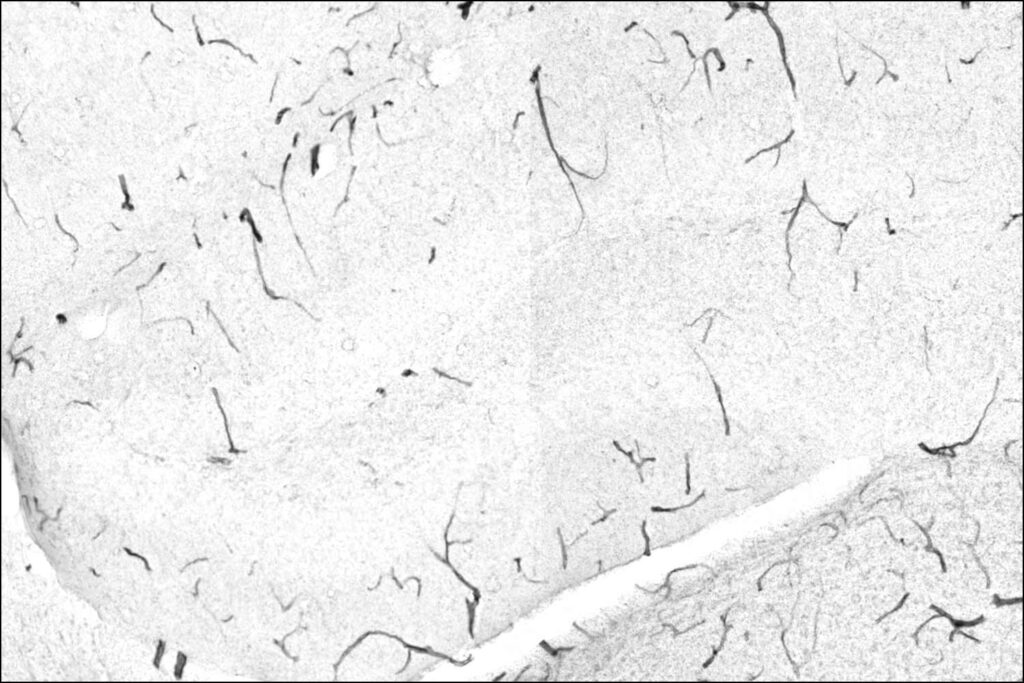
In the team’s model, the key downstream player is TNAP, a protein that accumulates on the cells that form the blood-brain barrier as mice age. That buildup, the researchers report, makes the barrier leaky. Exercise changes the equation: liver-produced GPLD1 travels to the vessels surrounding the brain and trims TNAP off the cells, helping “shore up” the barrier.
To track how GPLD1 might be working, the scientists focused on the enzyme’s core role—cutting certain proteins off cell surfaces—and searched for tissues where these targets might accumulate with age. The blood-brain barrier stood out. When the researchers tested several potential targets in lab experiments, they found GPLD1 only cut one of them: TNAP.
What happened in the mice: cognition worsened when TNAP rose—and improved when it fell
The study’s mouse experiments point to TNAP as more than a marker of aging vessels—it appears to be functionally tied to cognition in this model.
UCSF reports that young mice engineered to have more TNAP in the blood-brain barrier lost cognitive abilities as if they were old.
On the flip side, when researchers used genetic tools to reduce TNAP in 2-year-old mice—an age they describe as roughly equivalent to 70 human years—the blood-brain barrier became less leaky, brain inflammation decreased, and the mice performed better on memory tests.
“We were able to tap into this mechanism late in life for the mice and it still worked,” said Gregor Bieri, PhD, a postdoctoral scholar in Villeda’s lab and co-first author of the study.
Why it matters: new drug ideas that target the barrier, not just the brain
Beyond reinforcing the benefits of exercise, the team’s findings point to a therapeutic angle: finding drugs that trim proteins like TNAP could offer a way to rejuvenate the blood-brain barrier—even after it has already degraded with age, according to UCSF’s report.
“We’re uncovering biology that Alzheimer’s research has largely overlooked,” Villeda said. “It may open new therapeutic possibilities beyond the traditional strategies that focus almost exclusively on the brain.”
At the same time, the work is based on mouse biology, meaning it outlines a promising mechanism rather than confirming a ready-to-use human treatment. The most immediate takeaway is scientific: exercise may protect the aging brain partly by maintaining the vascular “gatekeeping” system that keeps damaging compounds out in the first place.
