Summary
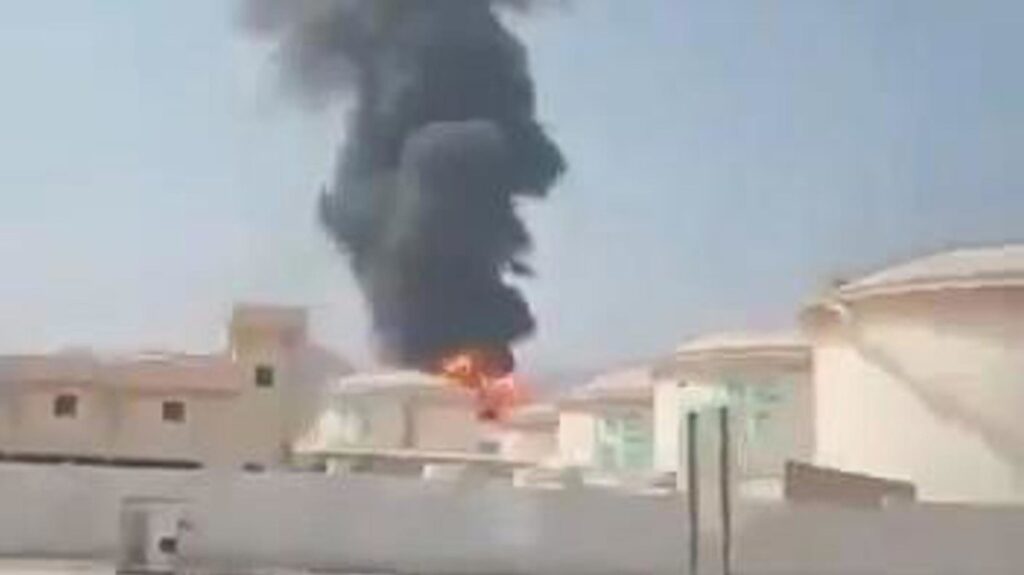
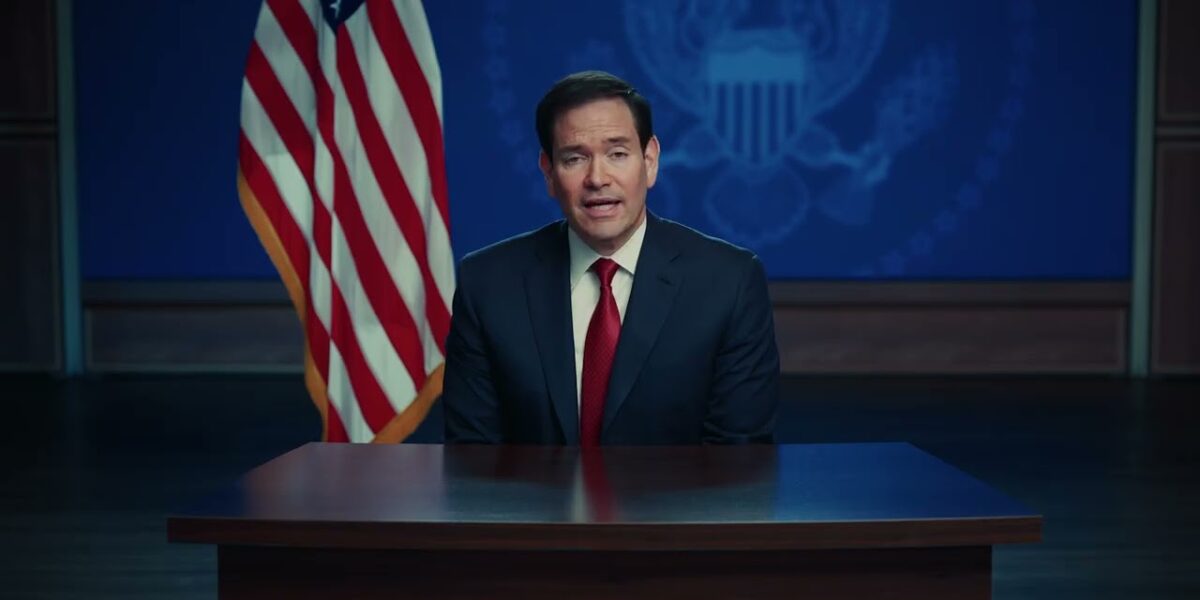
Secretary of State Marco Rubio said Monday (2) that the United States is preparing a more punishing phase of military action against Iran, warning that the hardest blows have not yet been delivered. Speaking to reporters, Rubio said Iran has already suffered major damage but insisted that what comes next will be even more severe.
Rubio declined to describe the specific tactical steps the U.S. military may take on the ground, but his message was unmistakable: Washington is not treating the current offensive as a finished operation. Instead, the administration is signaling that the conflict could intensify further in the coming days as it presses ahead with what it says is a broader effort to cripple Iran’s military capacity.

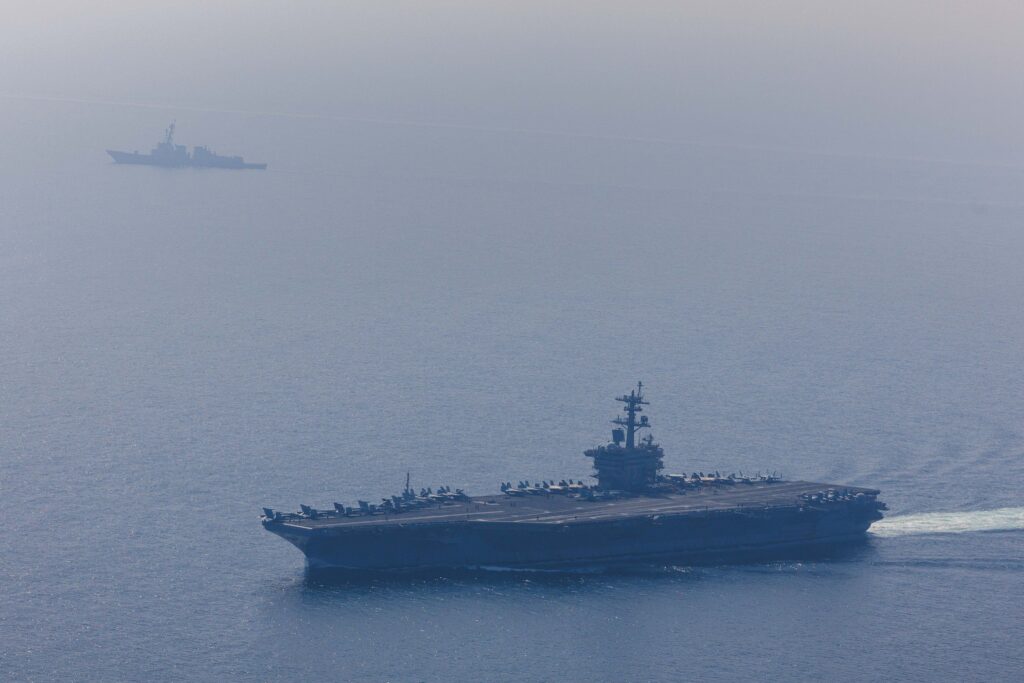
According to Rubio, the central objective of the U.S. mission is the destruction of Iran’s ballistic missile capabilities, including its ability to manufacture them, as well as neutralizing what Washington describes as a threat posed by Iran’s naval forces to global shipping routes. He also said the administration would welcome the fall of the current Iranian government, though he stopped short of calling regime change the official goal of the operation.
The secretary of state also defended the U.S. and Israeli attacks as a preventive war, arguing that there was an absolutely imminent threat against the United States. In his account, American officials believed that once Iran came under attack, Tehran would move quickly against U.S. forces, and that waiting for the first strike would have led to heavier American losses. Rubio said Washington acted proactively to reduce casualties rather than absorb the blow and respond later.
That justification, however, is already under pressure. Behind closed doors, administration officials acknowledged to members of Congress that they did not have intelligence showing Iran was preparing to strike American forces first, creating a sharp contrast between the public defense of the war and the more cautious picture presented privately. That contradiction is likely to deepen scrutiny in Washington as the operation expands.
The White House is also preparing the public for a conflict that may last far longer than the initial weekend shock. President Donald Trump said Monday that the operation against Iran had originally been projected to last between four and five weeks, while adding that the United States has the capacity to go much further if needed. He also said the U.S. was “almost under threat” from Iran and insisted American forces would prevail easily.
The widening danger is now shaping U.S. policy well beyond the battlefield. The State Department has urged American citizens to leave immediately more than a dozen countries across the Middle East using commercial means where possible, citing serious security risks as the conflict spreads. The advisory covers Bahrain, Egypt, Iran, Iraq, Israel, the West Bank and Gaza, Jordan, Kuwait, Lebanon, Oman, Qatar, Saudi Arabia, Syria, the United Arab Emirates and Yemen.
Taken together, Rubio’s remarks and the administration’s wider posture point to a clear shift: Washington is no longer presenting the strikes as a limited burst of force. It is now preparing the ground for a longer and more punishing campaign, even as questions grow over the intelligence used to justify it and the risks of dragging the entire region into a deeper war.